


Skip to content
Iranpeyma
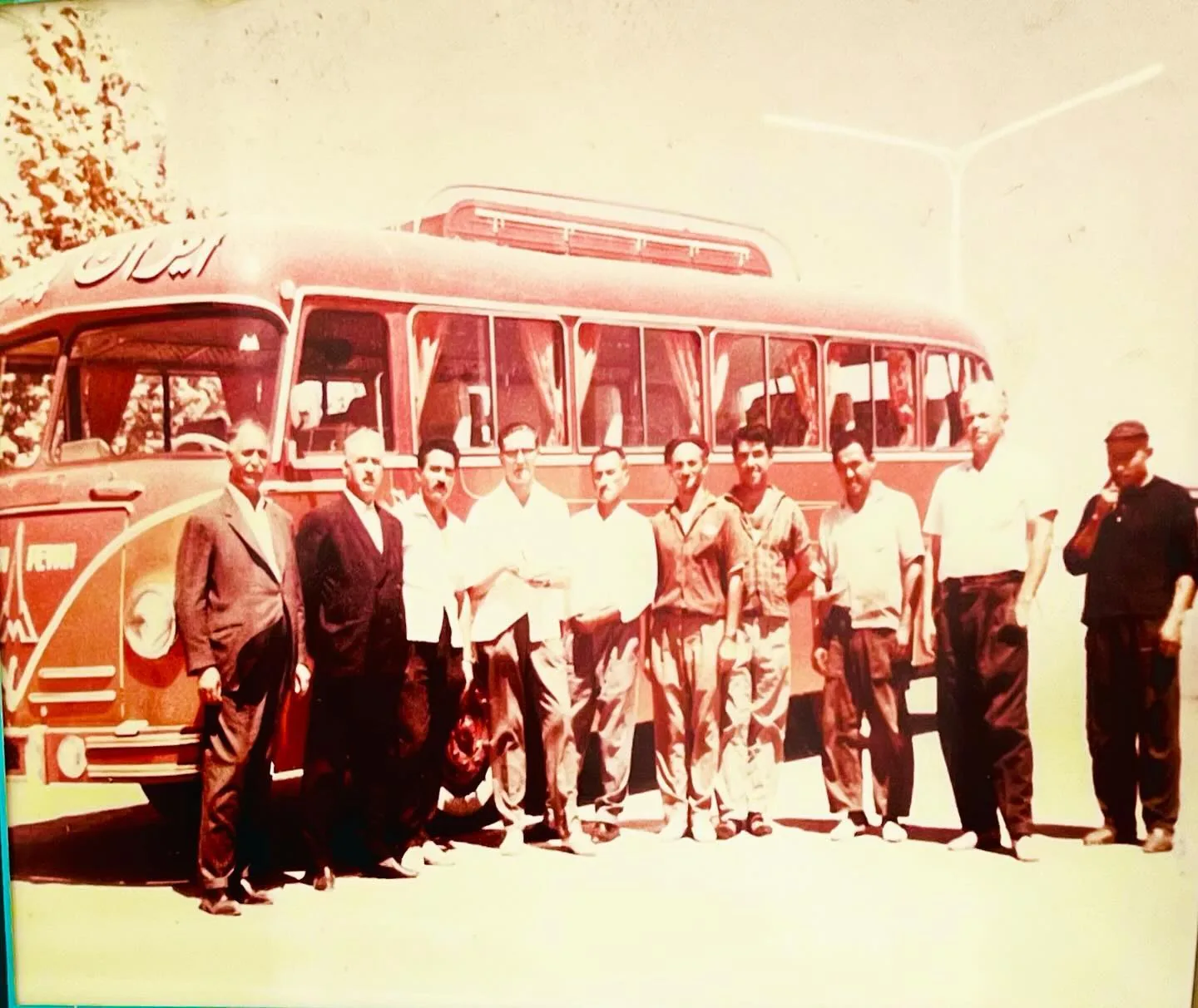
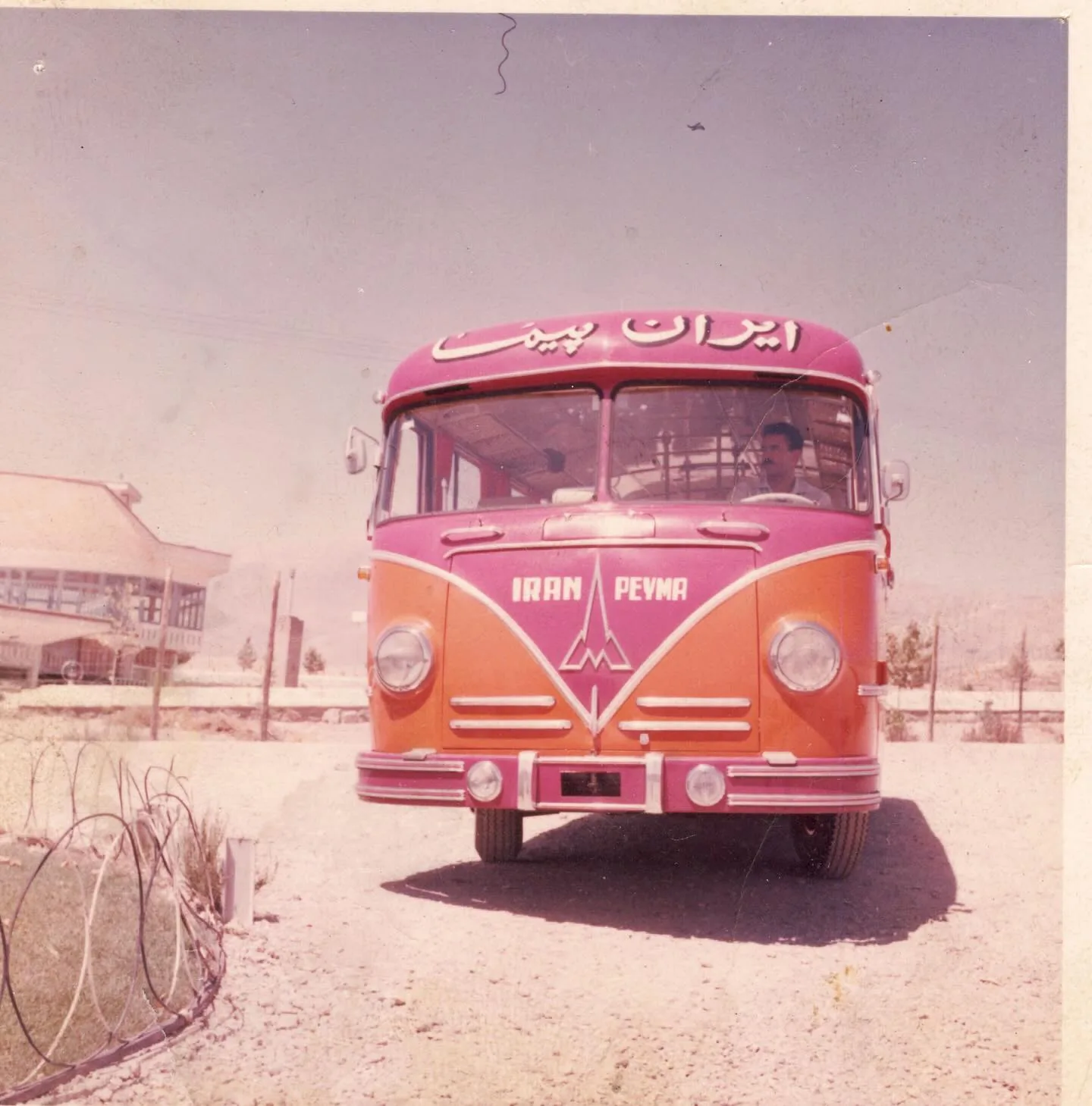
First Iranpeyma-built bus, 1963, with Lutfollah Namdari Zandi at the wheel

Heritage Archive

Nearly a Century on Iran's Roads

From the Amir Kabir garage to Magirus and Mercedes-Benz O302 production — the real Iranpeyma story in archival photographs.

0

Founded in Tehran

0

Trademark registered

0

First body built in-house

0+

Years of passenger service

0

Last O302 production

Four eras of Iranpeyma

Each chapter marks a step toward becoming a symbol of intercity travel in Iran.

  1. Imported Mercedes-Benz on the Kandovan road, early 1950s1948–1961

    Born on the Road

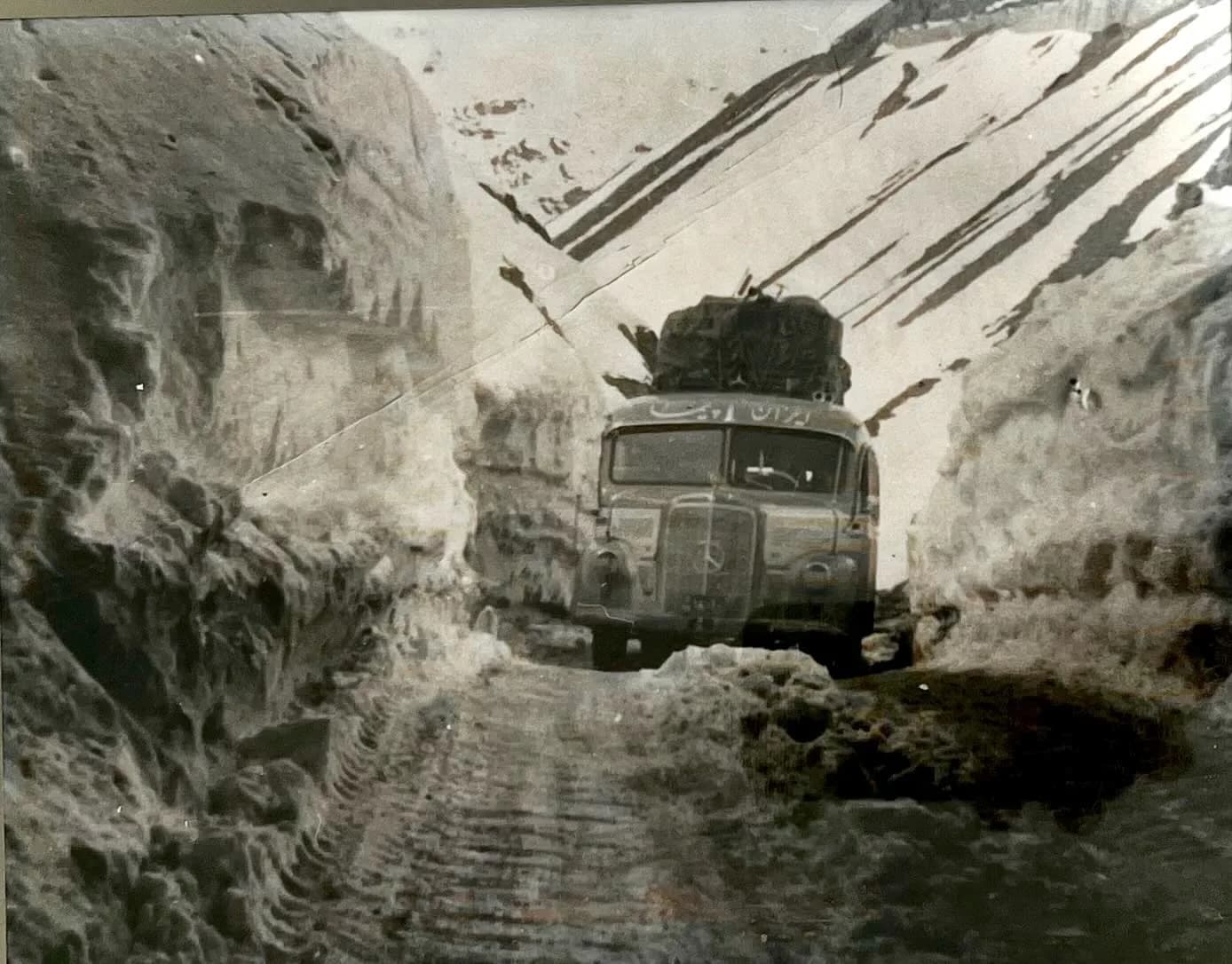
    Iranpeyma began as a passenger transport company. In the 1950s, imported buses — Mercedes-Benz, Chevrolet, and wooden bodies on truck chassis — crossed Iran's highways. Benz chassis arrived from Beirut; drivers would pilot them to Iran with a small wooden cab bolted to the front.

    • The 'Cadillac-tail' Chevrolet body — wooden frame, steel skin
    • Iranpeyma coaches and foreign tourists in the 1950s
    • Mercedes-Benz on the Kandovan/Chalus mountain road
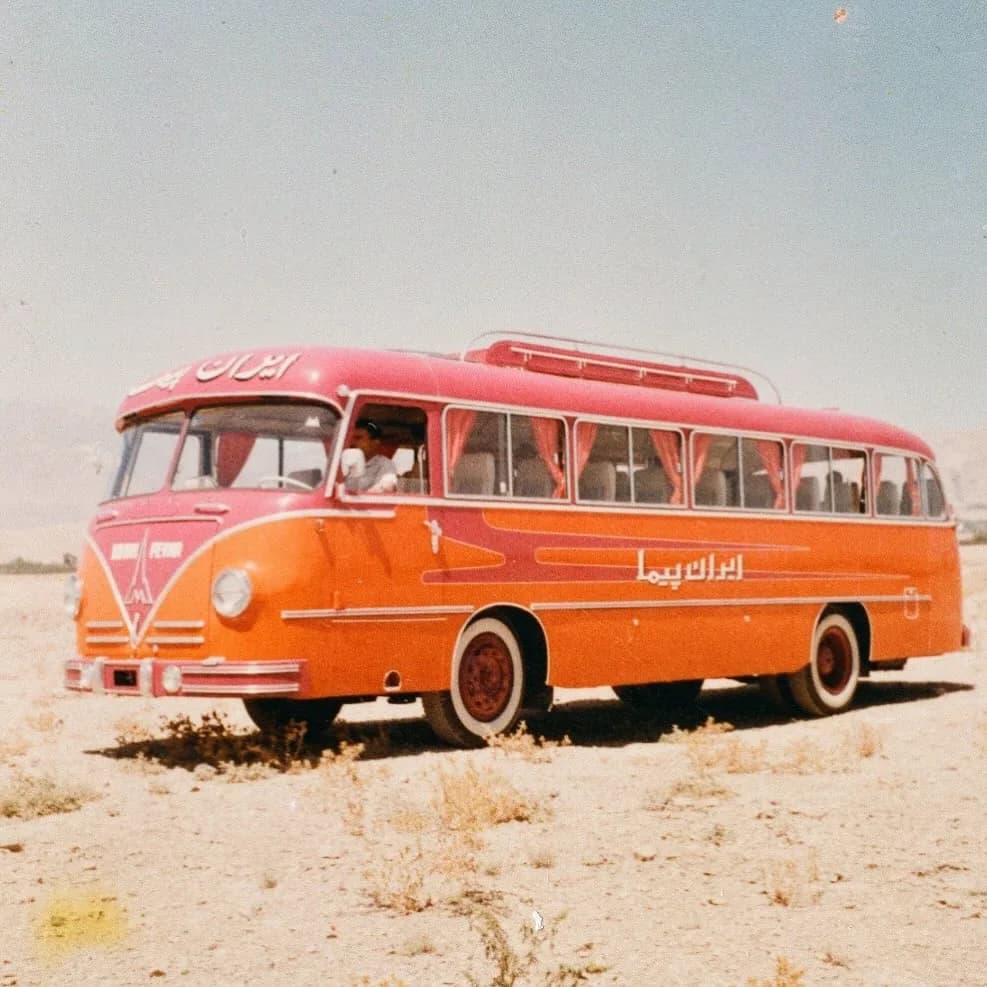
  2. Magirus-Deutz body built by Iranpeyma, 19631962–1965

    The Factory Years

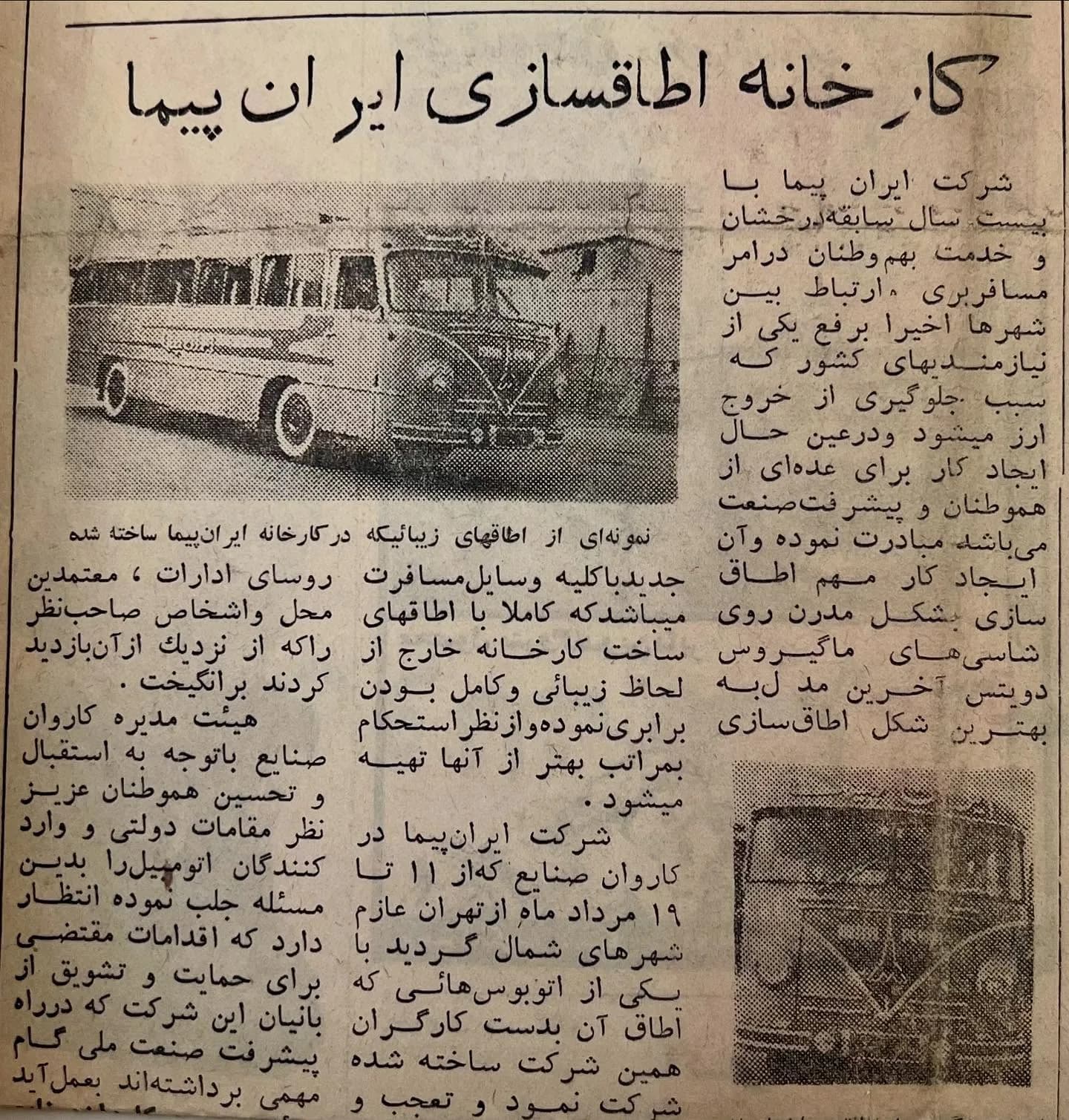
    After 15 years of passenger service, Lutfollah Namdari Zandi proposed entering bus manufacturing in 1962. The first body launched in 1963 on a Magirus-Deutz chassis. The 1964 high-window model followed in 1964, then luxury and de-luxe variants in 1965 — the latter with onboard restrooms.

    • First Iranpeyma-built body — Magirus-Deutz 1963
    • Featured in Kayhan newspaper — 12 September 1963
    • Photographed outside Tehran Hilton — 'The Hilton and a German bus were my dream'
  3. Mercedes-Benz O302 — Iranpeyma's most iconic coach body1960s–90s

    The Mercedes-Benz O302 Era

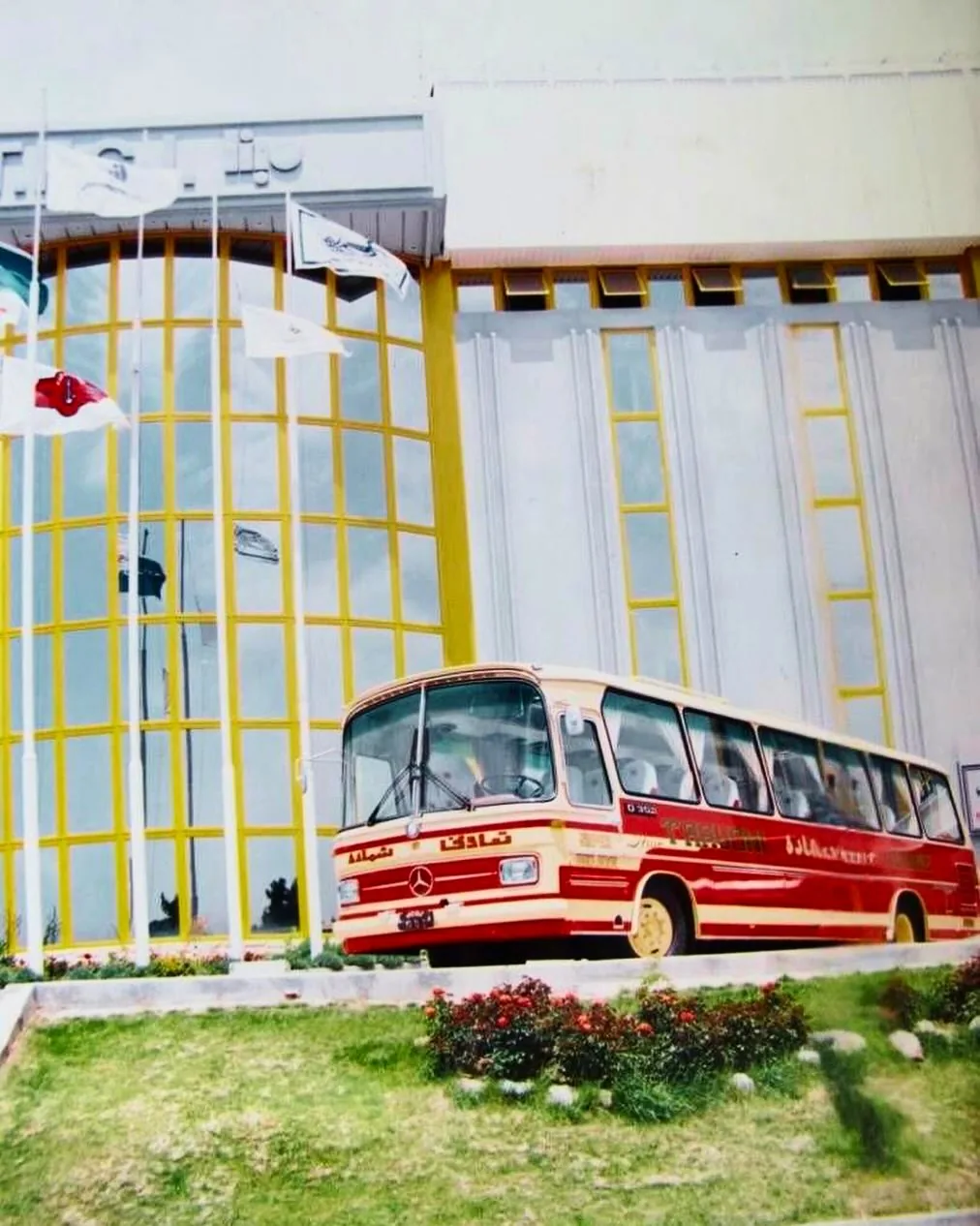
    The O302 body followed the Magirus super de-luxe and remained in production for decades — the coach most Iranians remember. Red Kashan velvet seats were built in-house. With 32 seats, 15 cm extra width, and a separate AC unit, Iranpeyma coaches outclassed rivals.

    • Exclusive red velvet seats — made at the Iranpeyma factory
    • Custom liveries for regional transport companies
    • Final model unveiled at Tehran Auto Show 1995
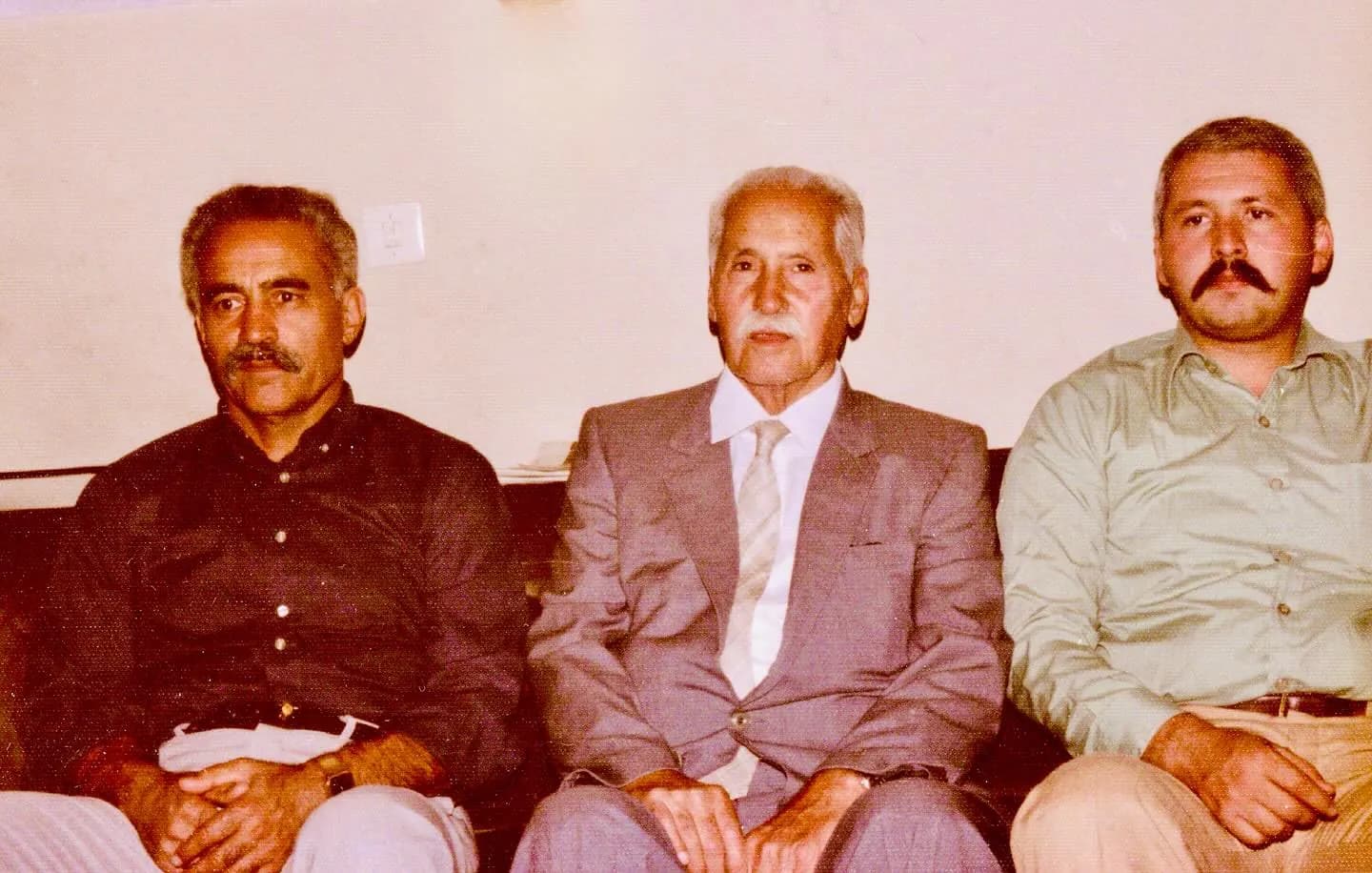
  4. Iranpeyma founders and managers, early 1960s1980–Today

    Transition and Legacy

    From 1980, cooperative transport companies replaced private operators. After 32 years, Iranpeyma's passenger service ended — but the second generation kept manufacturing alive. Seventeen cooperatives became customers. A mid-1960s visit to Hungary's Csepel factory reflected the company's international outlook.

    • Passenger service ended; manufacturing continued
    • 17 cooperative companies as bus customers
    • O302 production until 1997

Founders and the second generation

Mohammadreza Namdari Zandi

Founder — visionary ideas ahead of their time

Lutfollah Namdari Zandi

Co-founder of the bus factory — championed in-house production

Haj Mohammad Namdari Zandi

Amir Kabir office manager — discipline and hard work

Shahrokh & Shahram Namdari Zandi

Second generation — continued O302 production through the 1990s

Iranpeyma coaches had separate AC units and seated 32 — National's held 27. We added 15 cm to the width and widened the seats. Passengers and owners preferred our coaches.
From the memoir of Shahram Namdari Zandi
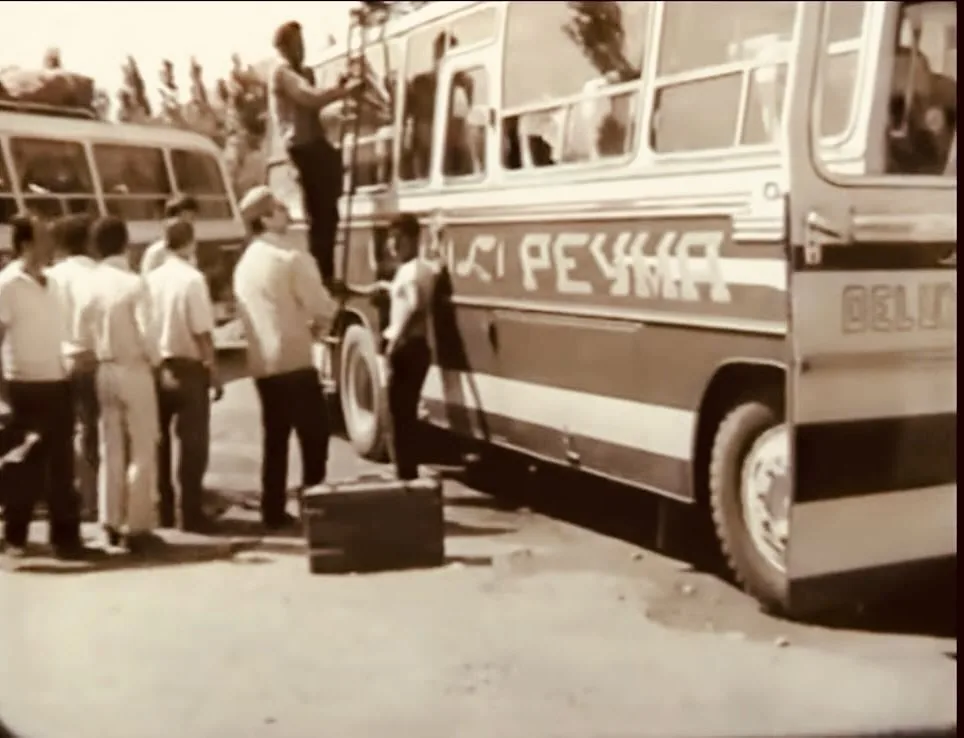
Iranpeyma coach and passengers — frame from a pre-revolution film

Archive gallery

Selected photographs from the @zandi_iranpeyma archive — click to enlarge.

Documents and records

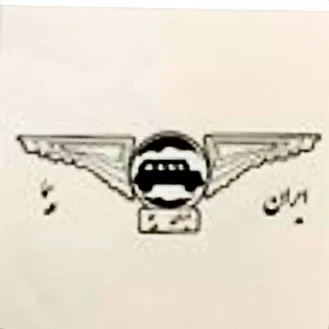
Trademark

1951

Trademark

Iranpeyma's first registered trademark

Kayhan Newspaper

1963

Kayhan Newspaper

Iranpeyma in the press — 12 September 1963

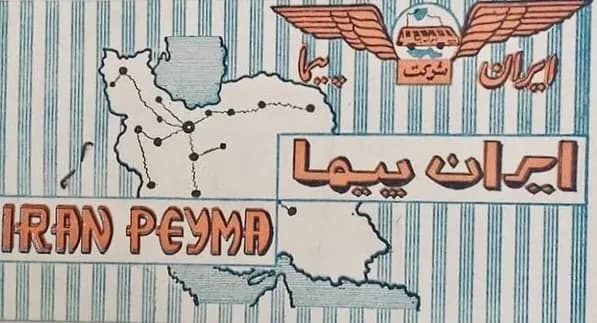
Ticket Cover

Pre-1979

Ticket Cover

Sample ticket cover from before the revolution

The story continues in today's products

From Qoqnous to the fleet of tomorrow — Iranpeyma's heritage lives on the production line.